Your Complete Guide to
Foundation for Dry Skin
A comprehensive guide to choosing and applying foundation for dry skin to achieve a hydrated, radiant and flawless finish.
Last updated: 04/21/2026
| You are currently signed in as: csr signout | Session open for : Reset customer | Customer Cart | QuikSearch |
Finding the perfect foundation when you have dry skin can feel like a quest for the impossible. You seek coverage but crave comfort. You want a flawless finish but often end up with a complexion that looks flaky, patchy or dull by midday. The secret to a radiant, smooth base isn't just about the foundation itself – it's about understanding your skin's needs and mastering a routine that enhances its natural beauty.
At Estée Lauder, we believe that every skin type deserves to look and feel its best. This comprehensive guide will help you achieve a luminous, hydrated complexion. We’ll explore everything from essential skin prep to the best application techniques, helping you choose and use foundation for a seamless finish that lasts.
Before you can choose the right products, it’s crucial to understand the canvas you’re working with. Dry skin has specific characteristics and requires a tailored approach to achieve that coveted flawless glow.
Dry skin is a skin type that can typically produce less sebum (natural oil) than other skin types. This can leave it feeling tight, rough and sometimes itchy. Key signs of dry skin include:
- A feeling of tightness, especially after cleansing
- A complexion that looks dull or lacks radiance
- Visible flakiness or rough patches
- Fine lines and wrinkles may appear more pronounced
If this sounds familiar, you likely have dry skin. This means your skin barrier needs support to retain moisture and stay protected.
Using the wrong foundation on dry skin can accentuate the very issues you want to conceal. Mattifying or oil-absorbing formulas can cling to dry patches, making them more obvious and leaving your skin looking cakey and uneven. A foundation specifically designed for dry skin will be formulated with hydrating and nourishing ingredients that work with your skin, not against it. It will provide coverage while delivering a surge of moisture for a plumping, smoothing effect.
It's a common point of confusion, but "dry" and "dehydrated" are not the same. Dryness refers to a lack of oil in the skin, which is a skin type. Dehydration refers to a lack of water, which is a skin condition that anyone can experience, even those with oily skin. Dehydrated skin might look dull and show fine lines, similar to dry skin, but it can also feel oily and dry at the same time. While our focus is on dry skin, many of the hydrating principles discussed here will also benefit a dehydrated complexion.
The key to a beautiful finish lies in the formula. When shopping for a foundation for dry skin, the ingredient list is your best friend. Look for products that promise to hydrate, nourish and impart a luminous glow.
Modern foundations are often infused with powerful skincare ingredients that treat your skin while providing coverage. These are the heroes for a dry complexion.
Hyaluronic acid is a humectant, meaning it draws moisture from the air and holds it in your skin. It’s renowned for providing intense hydration that plumps the look of skin and smooths the appearance of fine lines.
Another powerful humectant, glycerin helps to strengthen the skin's moisture barrier and prevent water loss. It leaves skin feeling soft, supple and comfortable throughout the day, creating a perfectly smooth canvas for makeup.
Ingredients like plant-derived oils and ceramides help to replenish the skin's natural lipid barrier. This is vital for dry skin, as a strong barrier prevents moisture from escaping and protects against environmental aggressors, ensuring your skin stays comfortable and hydrated under your makeup.
For dry skin, liquid and serum foundations are superior choices. These formulas are more emollient and blend seamlessly without catching on texture.
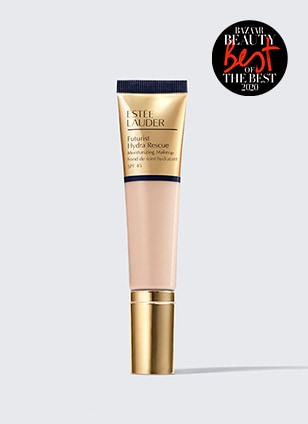
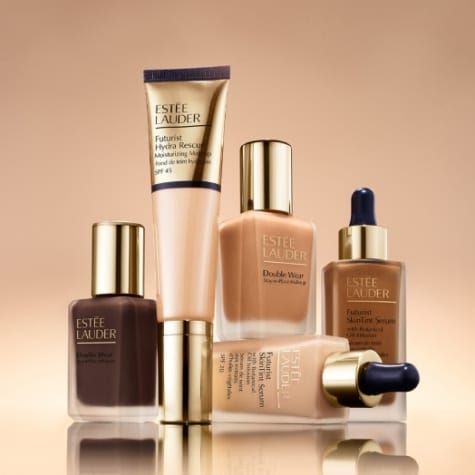
- Liquid Foundations: Offer versatile, buildable coverage with a natural finish. Our Futurist Hydra Rescue Moisturizing Makeup SPF 45 is a brilliant example, offering breathable coverage infused with hydrating ingredients.
- Serum Foundations: These are typically lightweight with potent skincare benefits, providing a sheer, luminous finish that feels weightless.
The finish of your foundation determines how it looks on your skin.
- Dewy/Radiant Finish: This is the ultimate goal for most with dry skin. These foundations contain light-reflecting particles that create a luminous, healthy-looking glow.
- Satin Finish: A beautiful middle ground, a satin finish is not overly dewy but still has a subtle luminosity. It mimics the look of naturally healthy skin.
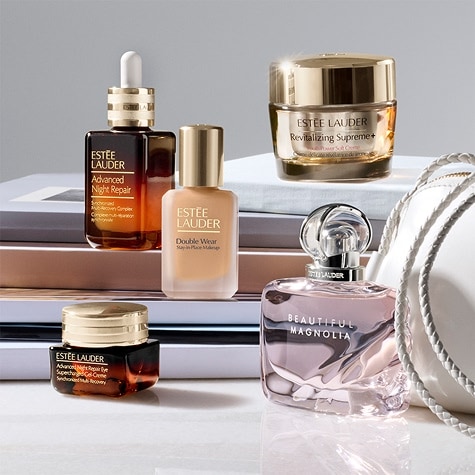
For dry skin, what you do before applying foundation is just as important as the makeup itself. Proper skin prep ensures a smooth application.
STEP 1: Start with a Gentle, Hydrating Cleanser
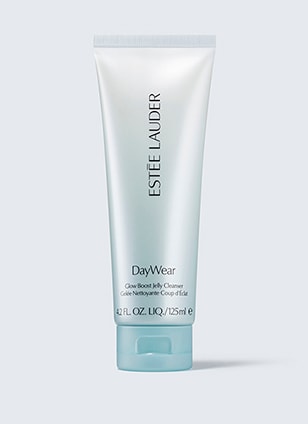
Avoid harsh, stripping cleansers that can leave your skin feeling tight and drier than before. Opt for a creamy or milky formula that cleanses effectively while respecting your skin's delicate moisture barrier.
STEP 2: Apply a Moisture-Rich Serum and Moisturiser
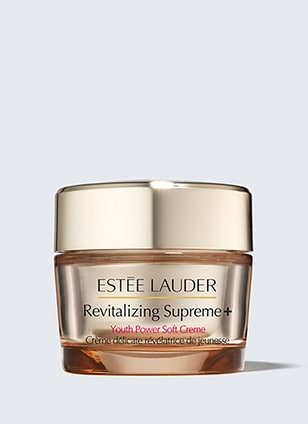
This is a non-negotiable step. After cleansing, while your skin is still slightly damp, apply a hydrating serum. Look for one containing hyaluronic acid to instantly boost moisture levels. Follow this with a rich, nourishing moisturiser to lock in that hydration and create a plump, smooth surface. Allow your moisturiser to fully absorb for a few minutes before moving on.
STEP 3: Never Skip a Hydrating Primer
A primer designed for dry skin is the final bridge between your skincare and makeup. It will smooth over any dry patches, blur imperfections and give your foundation something to grip onto for better longevity. A hydrating primer adds another layer of moisture and often contains illuminating properties to enhance your glow from beneath.
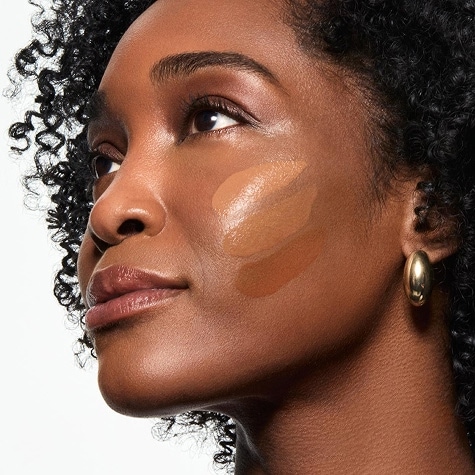
With your skin perfectly prepped, it's time for the main event. The right technique will ensure your foundation looks like a second skin.
STEP 1: Choose Your Tool (Sponge vs. Brush)
For a dewy, seamless finish on dry skin, a damp makeup sponge is often the best choice. It presses the product into the skin for a natural look and sheers it out slightly, preventing it from looking heavy. A stippling or buffing brush with soft, synthetic bristles can also work well; just be sure to use gentle motions to avoid disturbing any flaky areas.
STEP 2: Apply Foundation in Light, Buildable Layers
Start with a small amount of foundation on the back of your hand. Using your chosen tool, dot the product onto the centre of your face and blend outwards. It's always better to start with less and add more only where needed, such as around the nose or on areas with redness. This prevents the makeup from looking heavy or cakey.
STEP 3: How to Use Concealer Without it Caking
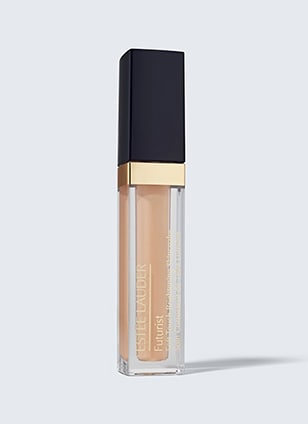
Apply concealer after your foundation so you can see exactly how much extra coverage you need. For the delicate under-eye area, choose a hydrating, creamy concealer like Futurist Soft Touch Brightening Skincealer. Use your ring finger or a small brush to gently tap the product into the skin.
STEP 4: Setting Your Makeup (and Which Powders to Avoid)
The word "powder" can be frightening for those with dry skin, but it is possible to set your makeup without creating a dry, flat look. Opt for a very finely milled, lightweight translucent powder. Use a small, fluffy brush and apply it only where you need it – typically the T-zone, under the eyes and around the nose – to prevent creasing and add longevity without dulling your glow.
Even with the best products, a few common missteps can sabotage your radiant finish. Here’s what to avoid.
It’s tempting to apply a thick layer of foundation to cover imperfections, but on dry skin, this can lead to a cakey appearance.
- The Fix: Apply foundation in sheer, buildable layers. Use a hydrating concealer to spot-conceal any areas that need more coverage.
Applying foundation directly onto unprepared dry skin is a recipe for a patchy, uneven finish. The makeup will cling to dry areas and won't blend seamlessly.
- The Fix: Never skip your hydrating skincare routine. Cleansing, moisturising and priming are essential steps for a flawless result.
Over-applying powder products can lead to a flatter, more one-dimensional look.
- The Fix: Use powder sparingly to maintain a hydrated, luminous look.
Foundation is the canvas, but the finishing touches are what bring your radiant look to life.
A hydrating setting spray is the perfect final step. It will meld all your makeup layers together, take away any hint of powderiness and lock in moisture for a fresh, dewy look that lasts all day. Mist it over your finished face to refresh and revitalise your makeup.
Achieving a flawless, radiant complexion with dry skin is entirely possible. It begins with nurturing your skin with hydration and choosing formulas that enhance its texture, not hide it. By combining meticulous skin prep with the right products and techniques, you can unlock a luminous, comfortable and long-lasting glow that looks and feels like your own beautiful skin, only better.